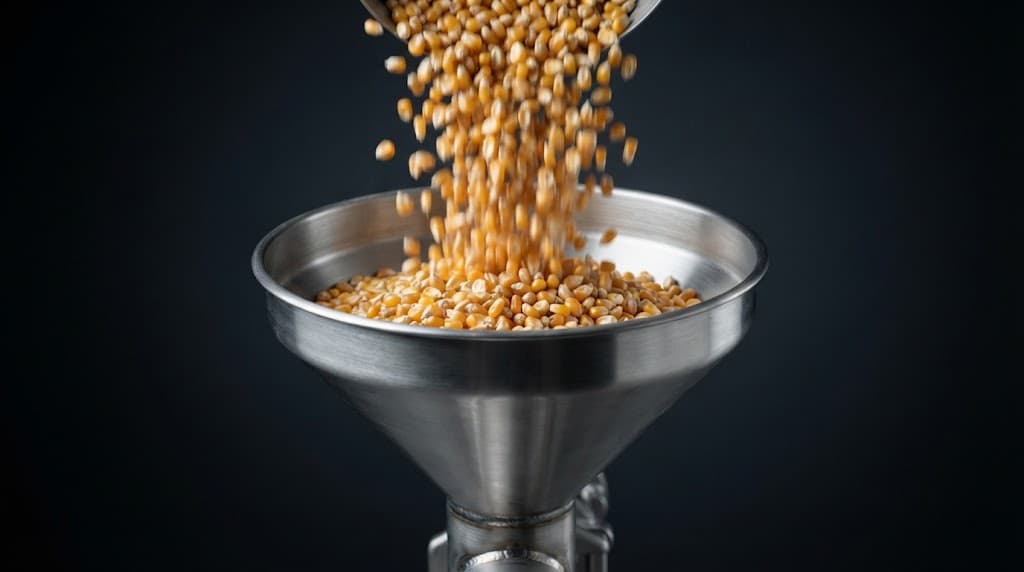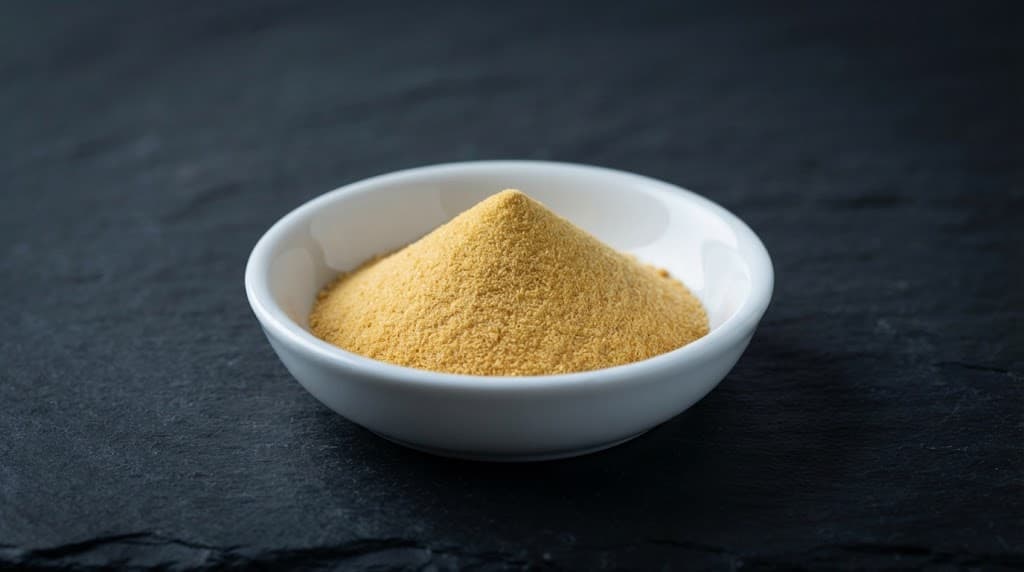

The enforcement of the European Union Deforestation Regulation (EUDR) is reshaping international supply chains for refined agricultural derivatives. Importers, traders and procurement teams handling soy-derived chemical inputs face strict due diligence requirements that mandate verifiable, deforestation-free production down to the exact plot of land. Refined soya lecithin, soy protein concentrates, isolated proteins and specialty emulsifiers bound for European ports now require comprehensive digital traceability before customs clearance can occur.
Non-compliant shipments risk border rejection, commercial confiscation and severe corporate fines calculated against annual turnover. For procurement managers, securing compliant supply requires restructuring vendor contracts, demanding granular farm geolocations and verifying strict chain-of-custody protocols from the crushing plant to the final container vessel.
The Regulatory Framework Governing Soy Derivatives
The EUDR applies to seven primary commodities including cattle, cocoa, coffee, oil palm, rubber, wood and soy. Crucially, the regulation encompasses not only raw agricultural beans but also downstream derived products, refined fractions and processed additives classified under specific customs tariff codes.
Every shipment entering the European Single Market must prove that the underlying crop was not cultivated on land deforested or degraded after December 31, 2020. Furthermore, operators must confirm that harvesting practices complied with all local environmental, land tenure and labor laws in the country of origin.
This dual requirement shifts compliance liability directly onto EU operators and non-EU exporters supplying European manufacturers. Procurement teams can no longer satisfy regulatory authorities with simple country-level certifications or aggregated sustainability declarations.
High-Risk Soy-Derived Ingredients in Industrial Supply Chains
Industrial buyers utilize soy derivatives across diverse applications including food processing, animal nutrition, pharmaceuticals, cosmetics and industrial coatings. Soya lecithin, a complex mixture of phospholipids extracted during raw soybean oil degumming, represents one of the most critical additives affected by the mandate.
Because lecithin is a co-product of vegetable oil extraction, tracing its origin back through intermediate storage silos to individual farming plots presents unique operational hurdles. A single commercial shipment of fluid or de-oiled lecithin may aggregate feedstock from hundreds of individual farms across multiple agricultural zones.
Other vital soy-derived inputs facing strict customs verification include:
Soy protein isolates and concentrates used as binders, emulsifiers and texturizers in processed food and sports nutrition formulations.
Hydrolyzed soy proteins and specialty amino acids utilized in flavor manufacturing, fermentation broths and cell culture media.
Soy fatty acids and refined soybean oil fractions deployed in oleochemical synthesis, alkyd resin coatings and personal care formulations.
When primary crushing plants combine beans from multiple uncertified regional elevators, entire finished production batches lose compliant status for European export markets.
Geolocation and Plot Traceability Requirements
To comply with EU customs documentation, buyers must submit an official Due Diligence Statement (DDS) containing the exact geographic coordinates of every plot where the raw soybeans were harvested. For production plots larger than four hectares, suppliers must provide polygon mapping defining the perimeter boundaries rather than a single centroid coordinate point.
Collecting and validating thousands of individual polygonal datasets requires sophisticated geospatial verification. Importers must cross-reference submitted farm coordinates against satellite imagery to confirm zero forest cover loss since the December 2020 cutoff date.
Discrepancies in cadastral registries or incomplete polygon data will trigger automatic automated filing rejections within the EU customs clearance interface. Sourcing departments must therefore ensure their crushing partners maintain fully digitized, audit-ready grower databases.
Segregation Versus Mass Balance Models
Historically, chemical traders utilized mass balance systems to claim certified volumes while co-mingling raw commodities in bulk storage tanks. Under EUDR guidelines, mass balance is no longer accepted as a valid chain-of-custody standard for proving deforestation-free status.
Importers must demonstrate rigorous physical segregation or identify every single production plot contributing to an aggregated bulk batch. If a bulk vessel contains even a small fraction of soy sourced from unverified or non-compliant land, the entire cargo becomes ineligible for European entry.
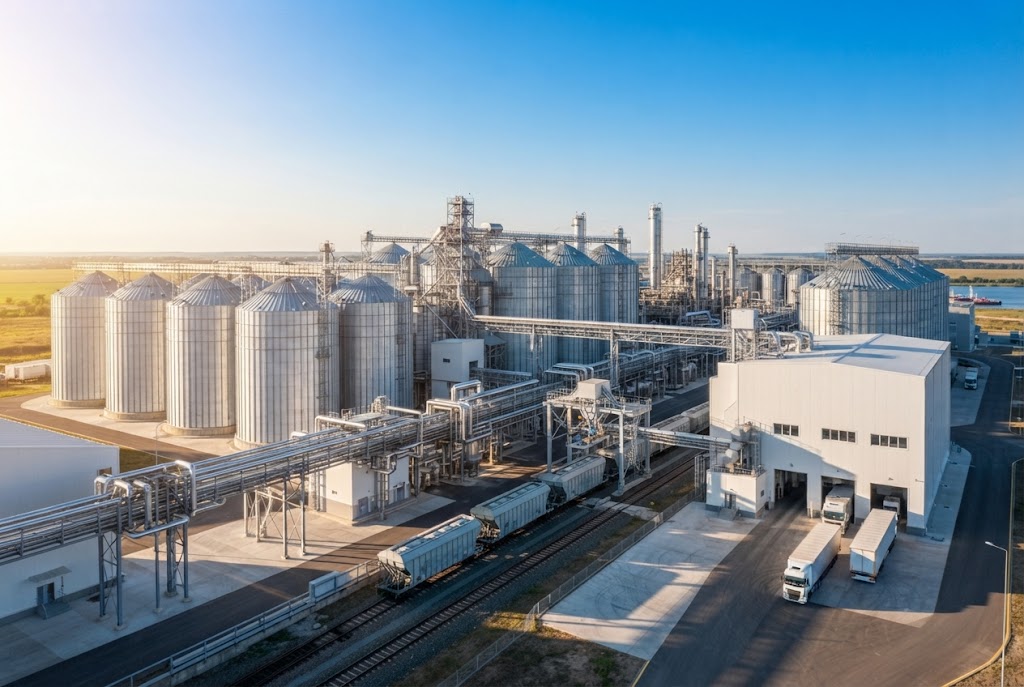
This strict mandate is forcing crushers to invest heavily in segregated storage silos, dedicated pipeline manifolds and distinct processing shifts for certified compliant grain. Operating parallel supply chains increases operational expenses for refiners, creating distinct pricing tiers for EU-compliant material versus standard global commodities.
Regional Origination and Supplier Risk Profiles
The global soy complex is concentrated across four primary exporting regions, each presenting distinct regulatory risk characteristics under European benchmarking standards. Brazil and Argentina represent the largest global exporters of soy meal, crude oil and raw lecithin, but face intense deforestation scrutiny across vulnerable biomes such as the Cerrado and Gran Chaco.
While South American crushers have advanced their traceability infrastructure, verifying indirect suppliers and intermediate grain aggregators remains challenging. Buyers sourcing from South America must demand third-party audited polygon mapping to prevent inadvertent exposure to illegal clearing.
The United States features lower deforestation risks across its traditional Midwestern grain belt, where farmland conversion occurred decades ago. However, US supply chains operate on massive shared grain handling infrastructure, making physical segregation of specific farm plots logistically complex and expensive.
India has emerged as an attractive alternative source for non-GMO soya lecithin and derived food-grade proteins. While deforestation rates in central Indian soy belts are low, smaller average farm sizes mean a single export container requires thousands of individual farmer records to satisfy polygon validation rules.
Cost Inflation and Compliance Surcharges for Importers
The operational burden of compliance is generating noticeable cost premiums across all soy-derived chemical additives. Processors must recover their investments in satellite monitoring software, third-party certification audits, identity preservation infrastructure and legal validation teams.
Crushers are introducing explicit compliance surcharges on spot and forward contracts for EUDR-ready grades. Soya lecithin prices for segregated, deforestation-free material are trending 15% to 25% higher than non-segregated material destined for non-regulated markets.
Demurrage and container holding costs represent another financial risk for unprepared importers. Shipments flagged for manual customs review due to data discrepancies face extended port holds, driving up total landed costs significantly.
Essential Due Diligence Protocols for Procurement Teams
Procurement departments must transition from passive document collection to proactive, multi-tier supply chain verification. Establishing direct communication with primary crushers rather than relying solely on secondary distributors provides greater visibility into upstream sourcing practices.
Essential steps for building an audit-proof soy procurement program include:
Integrating automated geospatial validation software to screen supplier polygon data against satellite forest monitoring layers before signing purchase contracts.
Mandating contractual indemnity clauses that protect buyers financially in the event of customs rejection caused by inaccurate supplier geolocation filings.
Auditing primary refining plants to verify that physical segregation protocols effectively prevent contamination between EUDR-compliant and conventional stocks.
Establishing rolling inventory safety reserves within European bonded warehouses to buffer against administrative clearance delays at import terminals.
Conducting supplier risk assessments based on geographic sourcing footprints allows procurement managers to allocate purchasing volumes toward lower-risk origins and proactive refining partners.
What Sourcing Teams Must Execute Now
The era of anonymous, aggregated commodity trading has ended for soy-derived industrial additives. Chemical procurement teams must treat deforestation compliance not as a periodic sustainability reporting exercise, but as a mandatory technical specification equivalent to purity or viscosity standards.
Organizations that proactively audit their upstream supply chains, secure segregated volume allocations and establish verified geolocation data pipelines will maintain seamless access to European markets. Early movers will capture competitive advantages over lagging peers who risk operational disruptions, customs rejections and financial penalties.
Ready to source Soya Lecithin from verified global suppliers? Explore competitive offers on our platform today.
Soya Lecithin CAS: 8002-43-5