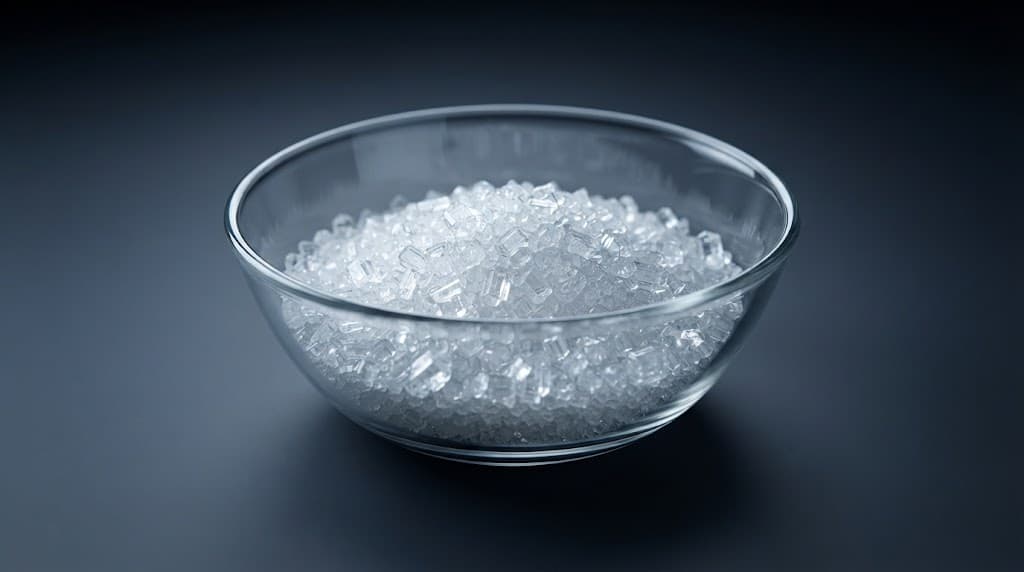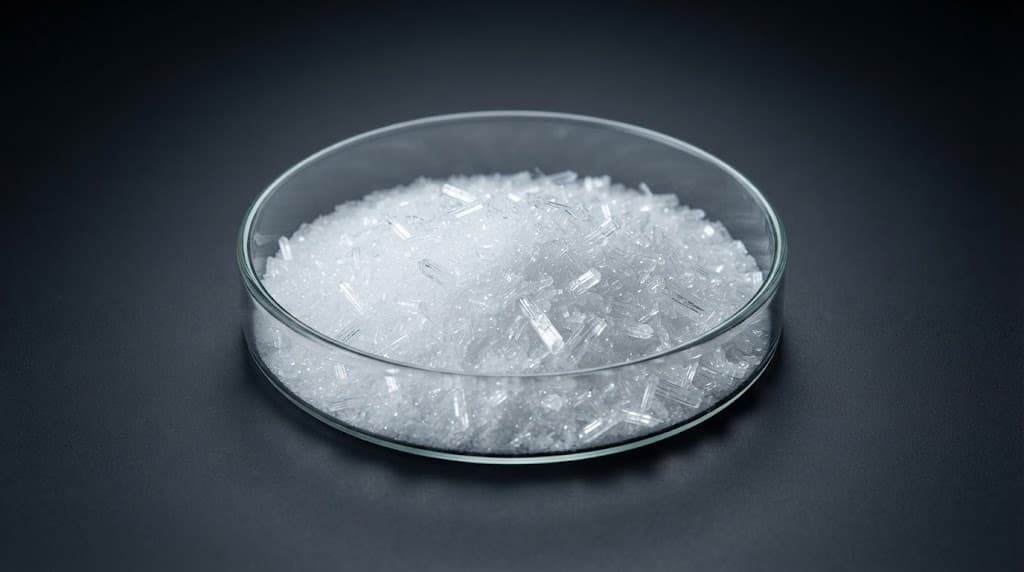

Lactic acid markets are experiencing demand growth that has caught many suppliers and buyers unprepared. The compound, long a staple ingredient in dairy products and meat applications, now faces surging consumption from plant-based protein formulations and fermented food categories that barely existed five years ago.
Procurement teams across food manufacturing are reporting allocation constraints, longer lead times and upward price pressure as production capacity fails to expand as quickly as demand. The situation differs markedly from commodity acidulant markets where oversupply typically keeps prices in check.
Understanding the drivers behind this demand surge and their implications for sourcing strategy has become critical for buyers managing ingredient costs and supply continuity. The challenge is particularly acute for companies scaling up plant-based product lines or expanding into fermented food categories.
What Is Driving Exceptional Growth
Plant-based meat alternatives represent the most significant new demand source. Manufacturers use lactic acid to lower pH in plant protein matrices, improving texture, reducing off-flavors and extending shelf life. Applications include burger patties, sausages, chicken alternatives and seafood analogs.
The compound helps mask beany, grassy or bitter notes inherent in pea protein, soy protein and other plant-based ingredients. This flavor-masking function is difficult to replicate with alternative acidulants, making lactic acid nearly essential in many formulations.
Plant-based dairy alternatives including yogurt, cheese and cultured butter rely on lactic acid for both pH control and authentic fermented flavor profiles. Coconut milk yogurt, almond milk yogurt and oat-based dairy analogs use lactic acid to simulate traditional fermentation characteristics without actual bacterial cultures in some formulations.
Fermented vegetable products beyond traditional sauerkraut and kimchi are proliferating across retail channels. Fermented hot sauces, pickled vegetables with probiotic positioning and fermented condiments all incorporate lactic acid either as a fermentation product or a formulation ingredient.
Clean-label reformulation across conventional food categories is replacing synthetic preservatives and pH regulators with lactic acid. Its status as a natural fermentation product and immediate consumer recognition make it attractive for ingredient declaration simplification.
Production Capacity Constraints
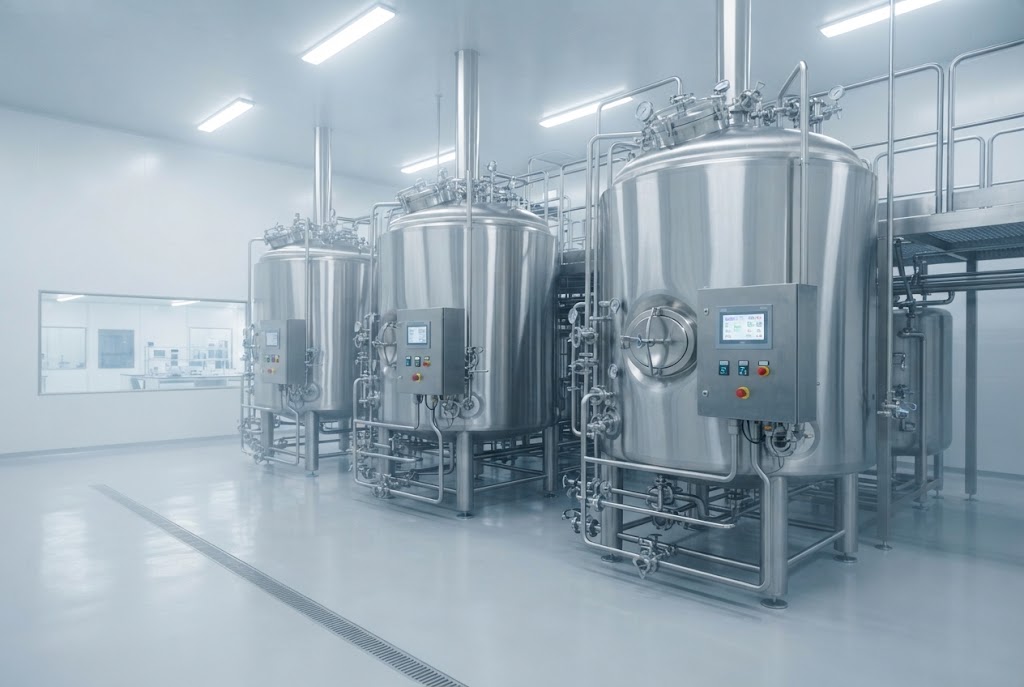
Global lactic acid production relies primarily on bacterial fermentation using Lactobacillus species to convert carbohydrate feedstocks. Capacity expansions require significant capital investment and 18 to 24 month construction timelines, creating inevitable lag between demand growth and supply response.
Major production centers exist in the United States, Europe, China, Thailand and Brazil. North American and European capacity serves primarily food-grade markets with stringent quality requirements, while Asian production splits between food applications and industrial uses including biodegradable polymers.
New plant construction has accelerated but remains behind demand growth curves. Several announced capacity additions will not come online until late 2026 or 2027, leaving current supply tight through at least the next 12 to 18 months.
Existing producers are running facilities at high utilization rates with limited ability to accommodate spot demand or short-notice volume increases. Buyers without contracted volumes face difficulty securing material during peak demand periods.
Industrial and technical-grade lactic acid production competes for the same fermentation capacity in some facilities. When polylactic acid (PLA) bioplastic demand increases, it can reduce availability of food-grade material from shared production assets.
Price Trajectory and Cost Pressures
Food-grade lactic acid pricing has increased 25% to 35% over the past 18 months depending on specification, origin and contract terms. This substantially exceeds inflation rates and reflects genuine supply-demand imbalances rather than temporary market distortions.
Fermentation feedstock costs contribute to price pressure. Glucose, dextrose and cane sugar prices all influence production economics. Energy costs for sterilization, fermentation temperature control and purification add to the expense structure.
Buyers report that suppliers are less willing to negotiate on price than in previous years. The seller's market dynamic gives producers leverage to maintain firm pricing and resist volume discounts that were standard practice historically.
Contract renewals are seeing significant price step-ups. Buyers renewing annual agreements in 2026 should anticipate increases of 15% to 25% compared to expiring contracts, with larger increases for spot purchases without volume commitments.
Premium grades including L(+) lactic acid with high optical purity command substantial premiums over racemic mixtures. Applications requiring specific stereoisomer purity for regulatory or technical reasons face the steepest costs.
Supply Chain Dynamics by Region
North American lactic acid production centers in the Midwest where proximity to corn processing infrastructure provides feedstock advantages. Suppliers in this region prioritize domestic food and pharmaceutical customers, with export volumes limited by capacity constraints.
European production serves a sophisticated market demanding high purity, non-GMO and organic certified material. Buyers in this region face premium pricing but benefit from shorter lead times and established supplier relationships.
Chinese lactic acid capacity has grown substantially but quality consistency varies between producers. Food manufacturers targeting Western markets often specify non-Chinese origin due to customer perception concerns despite technical equivalence from top-tier Chinese producers.
Thai production has emerged as a reliable source for Asian Pacific buyers and increasingly for Western importers seeking to diversify away from single-region dependency. Quality standards meet international requirements and pricing typically falls between Chinese and Western production.
Brazilian lactic acid benefits from competitive sugar-based feedstocks but capacity remains small relative to global demand. South American buyers can access this supply efficiently while other regions face freight economics that limit attractiveness.
Technical Specifications and Quality Differentiation
Food-grade lactic acid comes in concentrations ranging from 50% to 88% by weight, with 80% and 88% being most common for food applications. Higher concentrations reduce freight costs and storage volume but require careful handling due to increased corrosivity.
Optical purity specifications distinguish between L(+) lactic acid produced by specific bacterial strains and racemic DL mixtures. Dairy and fermented food applications typically require L(+) material to match naturally occurring stereochemistry, while other applications tolerate racemic mixtures.
Color and clarity standards matter for applications where lactic acid affects final product appearance. Premium grades specify maximum color values measured in APHA or Hazen units and require crystal-clear solutions free of haze or particulates.
Residual sugar content indicates fermentation completion and purification effectiveness. Low residual sugar is critical for applications where microbial stability matters or where sugar content must be controlled for nutritional labeling.
Heavy metal specifications, particularly for lead, arsenic, mercury and cadmium, must meet stringent food safety requirements. Suppliers serving pharmaceutical markets maintain even tighter specifications that some food buyers prefer for premium applications.
Application Trends in Plant-Based Proteins
Pea protein formulations rely heavily on lactic acid to reduce pH from the typical 6.5 to 7.5 range of protein slurries down to 5.0 to 5.8 where texture improvement and microbial stability optimize. Usage rates typically range from 0.3% to 1.2% of total formulation weight.
Soy protein applications use lactic acid similarly but often at lower concentrations because soy protein has less pronounced off-flavors than pea protein. The acid also assists with protein solubilization and dispersion in aqueous systems.
Mycoprotein and fermented protein products incorporate lactic acid both as a metabolic byproduct during fermentation and as a formulation ingredient for post-fermentation pH adjustment and preservation.
Plant-based seafood analogs present unique formulation challenges where lactic acid helps achieve the slightly acidic pH characteristic of fresh fish while providing antimicrobial effects that extend refrigerated shelf life.
Texturized vegetable protein rehydration sometimes employs lactic acid solutions to condition the protein matrix and reduce pH before further processing into finished products. This application is growing as plant-based meat production scales.
Fermented Food Category Expansion
Fermented hot sauces have become a major lactic acid consumption category as craft producers and large manufacturers alike embrace fermentation for flavor development. Some producers add supplemental lactic acid to standardize acidity and ensure food safety compliance.
Fermented vegetable drinks including beet juice, carrot juice and mixed vegetable ferments use lactic acid for pH standardization when naturally occurring fermentation produces inconsistent acidity levels across batches.
Probiotic beverages may contain lactic acid as a fermentation product or as an added ingredient to enhance tartness and microbial stability without interfering with live culture viability when properly balanced.
Fermented condiments including mustards, relishes and specialty sauces incorporate lactic acid to create complexity and depth that single-acid systems cannot achieve. Blends of lactic acid with acetic acid or citric acid are common.
Plant-based cheese alternatives attempting to replicate aged cheese flavors use lactic acid to simulate fermentation notes and achieve pH levels that support proper texture development in cashew, almond or coconut-based matrices.
Sourcing Strategies for Tight Markets
Early contract commitment has become essential for buyers with predictable volumes. Waiting until the last quarter to negotiate annual agreements for the following year risks finding limited availability and unfavorable pricing.
Multi-year agreements are gaining acceptance even among buyers who historically preferred annual flexibility. Locking in two or three year terms provides supply security and can moderate price increases compared to annual renegotiation in a rising market.
Volume flexibility clauses allow buyers to commit to baseline quantities while retaining options to increase volumes by predetermined percentages. This balances supply security with demand uncertainty inherent in growing product categories.
Dual sourcing across regions reduces dependency on single-origin supply. Buyers specification both North American and European sources or combining Asian and Western supply can navigate regional disruptions and maintain leverage.
Strategic inventory beyond normal working stock makes sense in constrained markets. Buyers with adequate warehouse space and capital are carrying 60 to 90 days of lactic acid coverage compared to historical 30 to 45 day positions.
Cost Management Approaches
Concentration optimization can reduce total lactic acid costs. Switching from 50% or 80% to 88% concentration reduces freight, storage and handling costs per kilogram of pure lactic acid delivered to manufacturing lines.
Process efficiency improvements that reduce lactic acid usage rates without compromising product quality directly impact costs. Even 5% to 10% reductions in usage rate generate meaningful savings when scaled across production volumes.
Formulation adjustments that substitute partial lactic acid usage with lower-cost acidulants where technically feasible help manage costs. Some applications tolerate blends of lactic acid with citric acid or acetic acid without performance loss.
Alternative fermentation-derived acids might replace lactic acid in non-critical applications. Acetic acid, citric acid or proprietary fermentation products could serve similar functions at lower cost in formulations where lactic acid's specific characteristics are not essential.
Backward integration appeals to very large consumers. Some major plant-based protein manufacturers are evaluating captive fermentation capacity or dedicated production agreements that guarantee supply and stabilize costs.
Quality Assurance and Supplier Evaluation
Consistency testing across multiple production batches identifies suppliers with robust process control. Lactic acid from fermentation can vary batch to batch, and top-tier suppliers demonstrate tight specifications and minimal variation.
Sensory evaluation matters more for food-grade lactic acid than for most commodity chemicals. Off-odors, unusual taste notes or color variations can affect finished products and warrant supplier qualification through blind tastings.
Microbiological testing verifies that purification processes effectively remove fermentation organisms and prevent recontamination during storage and transport. Total plate count, yeast and mold limits should be confirmed through certificates of analysis.
Documentation completeness including kosher certification, halal certification, non-GMO verification and organic compliance requires thorough review. Missing or expired documentation creates production delays and potential batch rejections.
On-site audits of critical suppliers provide visibility into fermentation process controls, quality systems and capacity constraints. Understanding supplier operations helps buyers assess reliability and build stronger partnerships.
Regulatory Landscape and Compliance
Lactic acid enjoys generally recognized as safe (GRAS) status in the United States with no specific usage limitations in most food categories. This regulatory acceptance supports its widespread adoption in clean-label reformulations.
European Union regulations classify lactic acid as food additive E270 with approved uses across broad food categories. Maximum use levels are generally not specified except in specific applications like infant formula where restrictions apply.
Organic certification requires that lactic acid be produced from organic feedstocks through approved fermentation processes. Availability of certified organic lactic acid is limited and commands significant premiums over conventional material.
Non-GMO verification depends on feedstock sourcing. Lactic acid from non-GMO corn, cane sugar or other verified substrates can support Non-GMO Project Verified claims, but buyers must request specific documentation from suppliers.
Kosher and halal certification processes are well-established for lactic acid since its fermentation origin aligns with religious dietary requirements. Most major suppliers maintain current certifications from recognized authorities.
Sustainability Considerations
Carbon footprint calculations increasingly factor into supplier selection as food companies pursue emissions reduction targets. Fermentation-based lactic acid production offers favorable environmental profiles compared to petrochemical acidulants, but variation exists between producers.
Renewable feedstock sourcing attracts buyers committed to sustainability goals. Lactic acid from sugarcane, corn or other agricultural inputs qualifies as bio-based, though the sustainability of feedstock cultivation practices varies.
Water usage in fermentation and purification processes differs substantially between production facilities. Suppliers implementing water recycling and treatment systems demonstrate environmental stewardship that appeals to corporate responsibility programs.
Waste stream management including disposition of spent fermentation broth and biomass affects overall environmental impact. Suppliers converting waste to animal feed, biogas or other valuable products minimize landfill dependence.
Packaging optimization through concentrate upgrades from 80% to 88% reduces plastic consumption, freight emissions and storage requirements. These operational sustainability improvements often align with cost reduction objectives.
Market Outlook Through 2027
Demand growth is expected to continue at 8% to 12% annually as plant-based protein adoption accelerates and fermented food categories expand. This substantially exceeds projected capacity additions, suggesting tight supply conditions will persist.
Pricing is likely to remain firm with modest increases likely as new capacity comes online but gets quickly absorbed by demand growth. Buyers should plan for lactic acid to remain a cost pressure point rather than expecting significant relief.
New entrants are evaluating market opportunities given attractive margins and sustained demand. Additional fermentation capacity from both established producers and new players will gradually improve supply availability from late 2026 onward.
Biotechnology advances may reduce production costs through improved bacterial strains, optimized fermentation conditions and more efficient purification. These innovations will take time to commercialize but could moderate long-term pricing trajectories.
Regional production expansion particularly in Asia and South America will diversify global supply and create new sourcing options. Buyers willing to qualify suppliers in emerging production regions may gain competitive advantages.
Alternative Acids and Substitution Potential
Citric acid can partially substitute for lactic acid in some pH control applications but lacks the fermented flavor profile that makes lactic acid valuable in dairy analogs and fermented foods. Cost advantages may justify substitution where flavor differences are acceptable.
Acetic acid provides strong acidification and antimicrobial effects but introduces sharp, vinegar-like flavors unsuitable for many applications where lactic acid's milder character is preferred. Blending strategies sometimes work in savory products.
Gluconic acid offers mild acidity and chelating properties but remains more expensive than lactic acid and has limited production capacity. It serves niche applications where its unique properties justify premium pricing.
Malic acid delivers clean tartness that works well in beverages and some food applications. Its higher cost compared to lactic acid limits substitution potential, though it may be considered where supply security concerns override cost considerations.
Propionic acid provides excellent antimicrobial effects but has pungent odors and sharp flavors that restrict applications. Its use is largely confined to bread preservation and industrial applications rather than the categories driving lactic acid demand.
What Procurement Teams Should Do Now
Forecast demand carefully through 2027 and communicate volume projections to suppliers early. Producers are making capacity allocation decisions now based on buyer signals about future requirements.
Engage in contract negotiations for 2026 and 2027 immediately rather than waiting for current agreements to near expiration. Early movers secure better terms and guaranteed allocation.
Qualify backup suppliers in multiple regions to create sourcing resilience. Single-source dependency creates unacceptable risk in tight markets where supplier production issues can halt customer manufacturing.
Evaluate formulation alternatives that reduce lactic acid usage rates or allow partial substitution without compromising product quality. Technical teams should prioritize these projects given ongoing supply challenges.
Build inventory strategically when suppliers offer spot availability. The marginal carrying cost of additional inventory is minimal compared to production shutdowns from material shortages.
Develop supplier partnerships that extend beyond price negotiation. Technical collaboration, transparent communication about constraints and mutual planning create value in uncertain markets.
Ready to source lactic acid from verified global suppliers? Explore competitive offers on our platform today.
Lactic Acid (E270) CAS: 50-21-5