

Plant-based dairy alternatives are moving beyond basic ingredient substitution, and emulsifier performance has become a key formulation priority. Manufacturers of plant-based milks, creams, yogurts and other alternatives increasingly need ingredients that can manage oil and water phases, improve mouthfeel and maintain product stability through processing and storage.
This shift is creating new opportunities for suppliers of plant-based emulsifiers. Soya lecithin, in particular, can support formulations that require effective emulsification while aligning with the broader demand for plant-derived ingredients. For procurement teams, the challenge now extends beyond finding an available ingredient. Buyers increasingly need suppliers that can support formulation targets, consistency and long-term supply planning.
Why Emulsifiers Matter in Dairy Alternatives
Traditional dairy products benefit from naturally occurring proteins, fats and other components that contribute to their structure and sensory properties. Plant-based formulations often need additional formulation support because their raw materials behave differently during mixing, heating, homogenization and storage.
Emulsifiers help manage interactions between ingredients that do not naturally remain evenly dispersed. In a plant-based beverage, for example, an emulsifier can help maintain a more uniform distribution of oil-based components throughout the liquid phase.
The formulation objective goes beyond preventing separation. Manufacturers also evaluate texture, creaminess, visual appearance, stability and the way a product performs after processing and throughout its shelf life.
Several factors can influence emulsifier requirements:
Plant protein selection: Pea, soy, oat, rice and other proteins can create different challenges for dispersion and stability.
Oil composition: Different vegetable oils can affect emulsion behavior, mouthfeel and physical stability.
Processing conditions: Heat treatment, homogenization and mixing intensity can change how an emulsifier performs.
Finished product expectations: A barista beverage, plant-based yogurt and dairy-free cream can require very different formulation characteristics.
Formulation Trends Are Changing Supplier Requirements
Dairy alternative manufacturers increasingly develop products around specific sensory and processing targets rather than simply replacing milk with a plant-based raw material. This approach places greater emphasis on ingredient functionality during product development.
A formulation team may need an emulsifier that works effectively at a particular dosage, integrates into an existing process and remains compatible with proteins, oils, stabilizers and other additives. Suppliers therefore face more detailed technical expectations from buyers.
This is where supplier partnerships become increasingly important. A transactional approach based only on price and availability may not provide enough support when manufacturers are optimizing several formulation variables simultaneously.
Procurement teams may now evaluate suppliers based on:
Technical documentation and product specifications
Consistency between batches
Supply capacity and lead-time reliability
Origin and plant-based sourcing credentials
Packaging and handling options
Technical support during formulation trials
Ability to provide samples for development work
Flexibility when product volumes change
The result is a shift from commodity purchasing toward application-focused sourcing.
Soya Lecithin and the Plant-Based Emulsifier Opportunity
Soya lecithin represents one established plant-derived emulsifier option for manufacturers working with food formulations. Its emulsifying functionality can make it relevant to applications where oil and water phases need better interaction and distribution.
For dairy alternative producers, the ingredient can become part of a broader formulation system rather than a standalone solution. Its performance depends on the surrounding recipe, processing conditions and target product characteristics.
This creates an important distinction for buyers. A supplier offering an emulsifier should understand that the same ingredient may perform differently across a plant-based milk, spread, cream or dessert formulation.
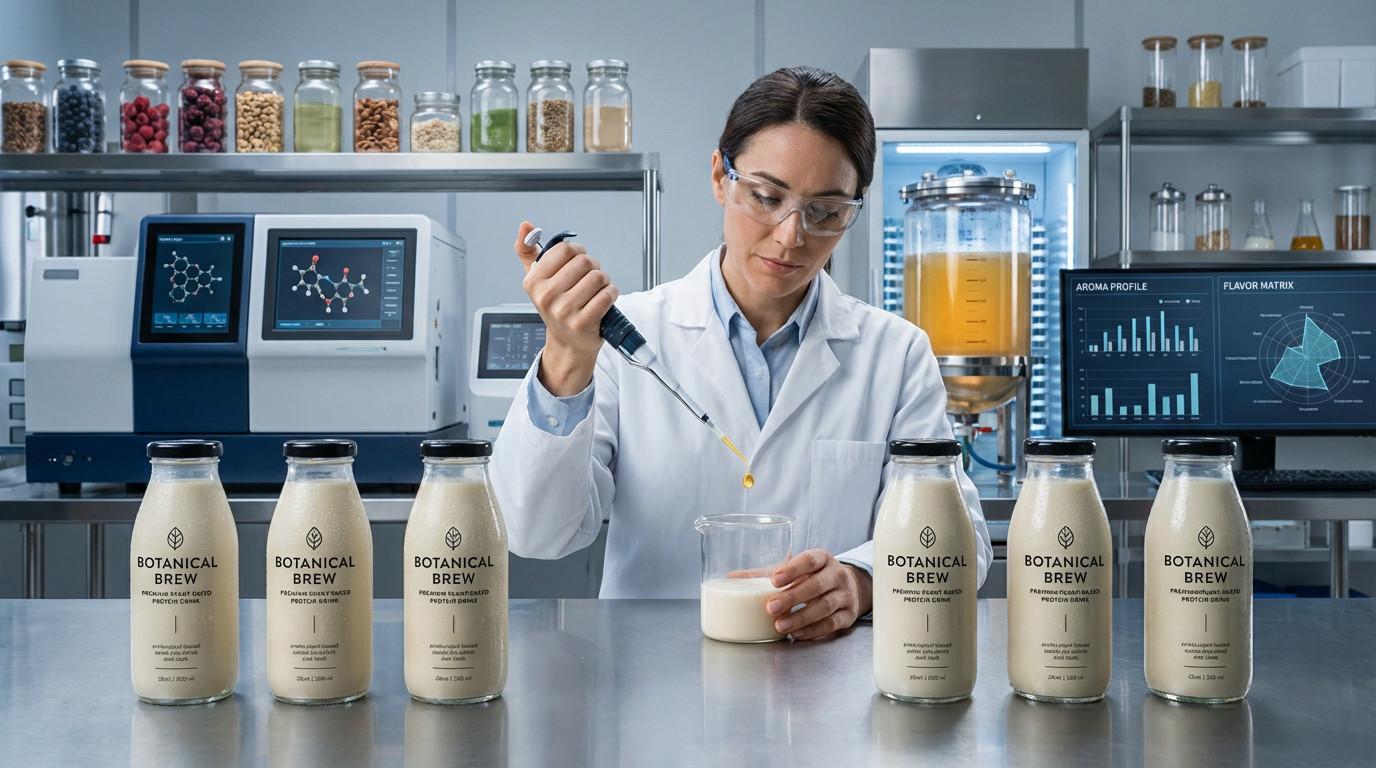
How Plant-Based Product Development Drives New Partnerships
Innovation in dairy alternatives often requires repeated testing. Product developers may adjust protein levels, oil systems, stabilizers, sweeteners and processing conditions before reaching the desired texture and stability.
That process creates a practical need for suppliers that can respond quickly. A buyer may require a sample for laboratory trials, additional technical information after testing or a different supply format once commercial production begins.
A stronger supplier relationship can help shorten this development cycle. Instead of treating the emulsifier as an isolated purchase, manufacturers can work with suppliers to understand specifications, application considerations and supply options from the beginning.
For international buyers, the relationship also needs to cover commercial requirements. Importers and distributors must consider documentation, packaging, shipment schedules and continuity of supply alongside technical performance.
Procurement Challenges in a Growing Formulation Market
The expanding range of plant-based products creates a more complicated procurement environment. Manufacturers can no longer assume that one emulsifier specification will suit every application.
Supply decisions need to reflect the actual formulation and production process. A low-cost ingredient may not deliver value if inconsistent performance increases formulation adjustments, production losses or quality issues.
Supply continuity also matters. Dairy alternative brands often build product launches around predictable production schedules, making unexpected delays in a key functional ingredient commercially disruptive.
Procurement teams should therefore assess suppliers across several dimensions:
Specification consistency: Confirm that the product meets the required technical parameters across shipments.
Production capacity: Understand whether the supplier can support both development quantities and larger commercial requirements.
Documentation: Review specifications, certificates and other relevant product information before commercial purchasing.
Logistics capability: Assess lead times, packaging formats and export handling.
Communication: Determine how quickly the supplier can respond to technical and commercial requests.
Scalability: Make sure the supplier can support increased demand if a formulation moves successfully from trials to mass production.
These factors can have a direct impact on the total cost of sourcing, even when the initial ingredient price appears competitive.
Regional Demand Creates Opportunities for Global Suppliers
Plant-based dairy alternatives have expanded across multiple markets, creating opportunities for ingredient suppliers that can serve manufacturers in different regions. Demand patterns can vary according to consumer preferences, product categories and local manufacturing capabilities.
For exporters, this means understanding more than the product itself. Suppliers need to present clear specifications and reliable commercial terms while supporting buyers that may operate under different regulatory and logistics requirements.
Importers can also benefit from broader sourcing networks. Multiple qualified supply options can provide greater flexibility when manufacturers face changing demand, shipment constraints or formulation requirements.
For chemical and food ingredient traders, plant-based emulsifiers therefore represent an opportunity to build relationships across the value chain. The strongest opportunities may come from connecting manufacturers with suppliers that combine functional ingredient capability with dependable international supply.
What Makes an Emulsifier Supplier More Competitive
Price remains important in ingredient procurement, but it is only one part of the purchasing decision. As formulations become more sophisticated, suppliers that provide greater value around the ingredient itself can strengthen their position.
Technical responsiveness can become particularly valuable during product development. When a manufacturer is testing an emulsifier, access to specifications and timely communication can help reduce delays between laboratory trials and purchasing decisions.
Supplier competitiveness can also improve through:
Consistent product quality that reduces variation during formulation.
Flexible order support for both trial and commercial quantities.
Clear product information that allows formulation teams to evaluate suitability.
Reliable logistics that support production planning.
Long-term communication between the supplier's commercial team and the buyer's procurement or technical team.
This model benefits both sides. Manufacturers gain a more dependable sourcing relationship while suppliers gain a clearer understanding of future demand and application requirements.
Sustainability Is Becoming Part of the Buying Conversation
Plant-based product development naturally brings sustainability considerations into many procurement discussions, although functionality and commercial viability remain essential. Manufacturers increasingly evaluate ingredient sourcing alongside broader product positioning.
For emulsifier suppliers, plant-derived sourcing can support customers developing products positioned around plant-based formulations. However, procurement teams still need practical information about origin, processing, specifications and supply reliability.
Sustainability considerations can influence supplier selection when competing ingredients deliver comparable technical performance. Buyers may therefore look for suppliers capable of combining functional performance with transparent sourcing information and consistent commercial supply.
The important point is that sustainability does not replace formulation performance. A plant-based emulsifier still needs to work effectively within the finished product and production process.
The Next Stage of Dairy Alternative Ingredient Sourcing
The dairy alternative market is likely to continue creating formulation challenges as manufacturers diversify product formats. Plant-based beverages may remain an important application, while products such as creams, desserts and other dairy-free formats can introduce additional technical requirements.
This will encourage closer interaction between ingredient suppliers, formulation teams and procurement departments. Suppliers that understand application needs can position themselves as development partners rather than simply commodity vendors.
For buyers, this creates an opportunity to make sourcing more strategic. Instead of waiting until production demand emerges, procurement teams can establish relationships with qualified suppliers during the formulation stage and assess commercial feasibility before a product reaches scale.
The most useful supplier relationships will likely combine three capabilities: functional ingredient knowledge, dependable supply and responsive commercial support.
What Procurement Teams Should Do Now
Procurement managers sourcing plant-based emulsifiers can strengthen their purchasing strategy by connecting technical requirements with commercial planning from the start. This approach helps ensure that an ingredient selected during product development remains commercially viable when production volumes increase.
Before committing to a supplier, buyers should define the required specification, application, expected volume and delivery requirements. They should also compare suppliers based on consistency, documentation, logistics and responsiveness rather than evaluating price alone.
For traders and importers, the opportunity lies in building a reliable portfolio of plant-based functional ingredients and connecting manufacturers with suppliers that can support evolving formulation requirements.
As dairy alternatives become more sophisticated, emulsifier sourcing will increasingly depend on partnerships rather than simple transactions. Suppliers that can combine reliable quality with formulation-focused support will be better positioned to capture demand from manufacturers seeking stable, scalable ingredient solutions.
Ready to source Soya Lecithin from verified global suppliers? Explore competitive offers on our platform today.
Soya Lecithin CAS: 8002-43-5