The traditional boundaries between chemical synthesis and biological production are blurring. In 2026, the food industry is witnessing a massive transition toward microbial fermentation for the production of amino acids, vitamins and specialized flavor compounds. This shift is not just about clean-label marketing. It is a fundamental change in production economics driven by advances in precision fermentation and metabolic engineering.
For procurement managers, this evolution carries significant weight. As production methods move from fossil-fuel-derived synthesis to biological fermentation, the entire risk profile of your ingredient portfolio changes. Understanding when and why this transition happens is now a core requirement for effective long-term sourcing.
The Economic Threshold of Fermentation
Fermentation becomes the preferred production route when the target molecule is too complex for cost-effective chemical synthesis or when the market demands a higher purity profile. Chemical synthesis often struggles with the production of intricate structures, requiring expensive multi-step reactions and hazardous reagents.
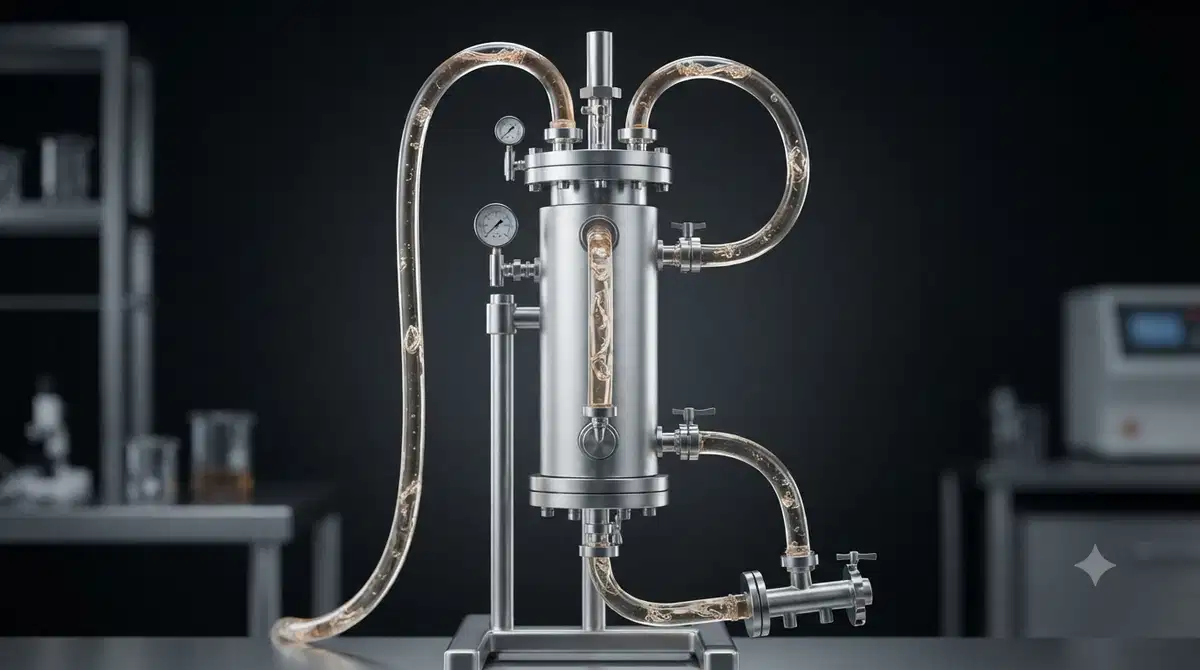
Microbial fermentation excels in these scenarios by utilizing yeast, bacteria or fungi as efficient bio-factories. The economic tipping point usually arrives when three conditions are met:
The microbial strain achieves high titers, meaning it produces a high concentration of the target molecule per liter of broth.
The raw material input, typically agricultural side-streams or simple sugars, remains lower in cost than the petrochemical feedstocks required for traditional synthesis.
The downstream processing—the steps used to isolate, purify and dry the final ingredient—becomes optimized enough to keep energy consumption within acceptable limits.
Quality Consistency and Technical Challenges
While fermentation is often marketed as natural or sustainable, it introduces unique quality assurance hurdles compared to traditional chemical routes. A chemical process is highly predictable; if the temperature, pressure and catalysts are constant, the output remains consistent.
Fermentation is inherently more dynamic. Because the process relies on living organisms, small deviations in the bioreactor environment can lead to significant variances in the end product. Challenges include:
Metabolic Drift: Over time, the microbial strains can experience genetic mutations, leading to changes in the chemical profile or purity of the resulting ingredient.
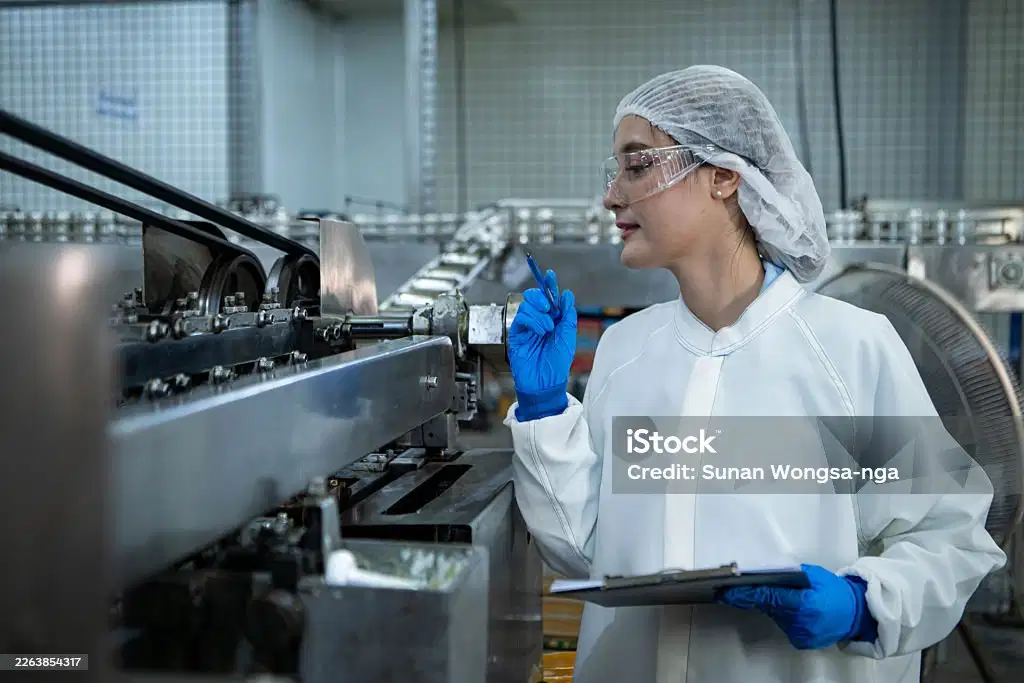
Contamination Risks: Pathogenic microorganisms or wild-strain contamination can compromise an entire batch, requiring rigorous, continuous monitoring and automated control systems.
Media Sensitivity: The quality of the nutrient broth or substrate used to feed the microbes directly influences the chemical composition of the final product, demanding tighter control over raw material procurement for the fermentation facility itself.
The Geographic Concentration of Chinese Capacity
The global supply of fermented ingredients—particularly amino acids like lysine and threonine, as well as essential B vitamins—is heavily centralized. East Asia, and China specifically, accounts for an overwhelming majority of the global production capacity for these categories.
This concentration creates a strategic vulnerability for procurement teams in other regions. When a single country controls nearly 90% of a critical supply chain, local policy changes, energy subsidies, or environmental regulations can trigger global price volatility. We have seen this play out repeatedly: when Chinese output expands due to subsidized capacity, prices drop to historic lows, discouraging investment elsewhere. When that capacity hits bottlenecks, supply chains grind to a halt.
For the procurement manager, this reality necessitates a shift in strategy. You cannot rely on spot-market pricing alone when your supply source is geographically restricted. Building resilience requires diversifying your supplier base, even if it carries a short-term price premium.
Sourcing for the Future
The move toward fermentation is irreversible. As technologies like digital twins and AI-guided strain design continue to mature, fermented ingredients will only become more cost-competitive and widely available. The risk for your organization lies in being unprepared for the next wave of supply chain disruptions.
You must audit your current suppliers not just on their price-per-kilogram, but on their operational reliability and technical transparency. Ask for data on their fermentation stability and risk mitigation protocols regarding feedstock volatility. The companies that thrive in this new landscape will be those that view their ingredient sourcing as a technical partnership rather than a transactional commodity purchase. Ready to source Xanthan Gum from verified global suppliers? Explore competitive offers on our platform today.
Xanthan Gum (E415) CAS: 11138-66-2