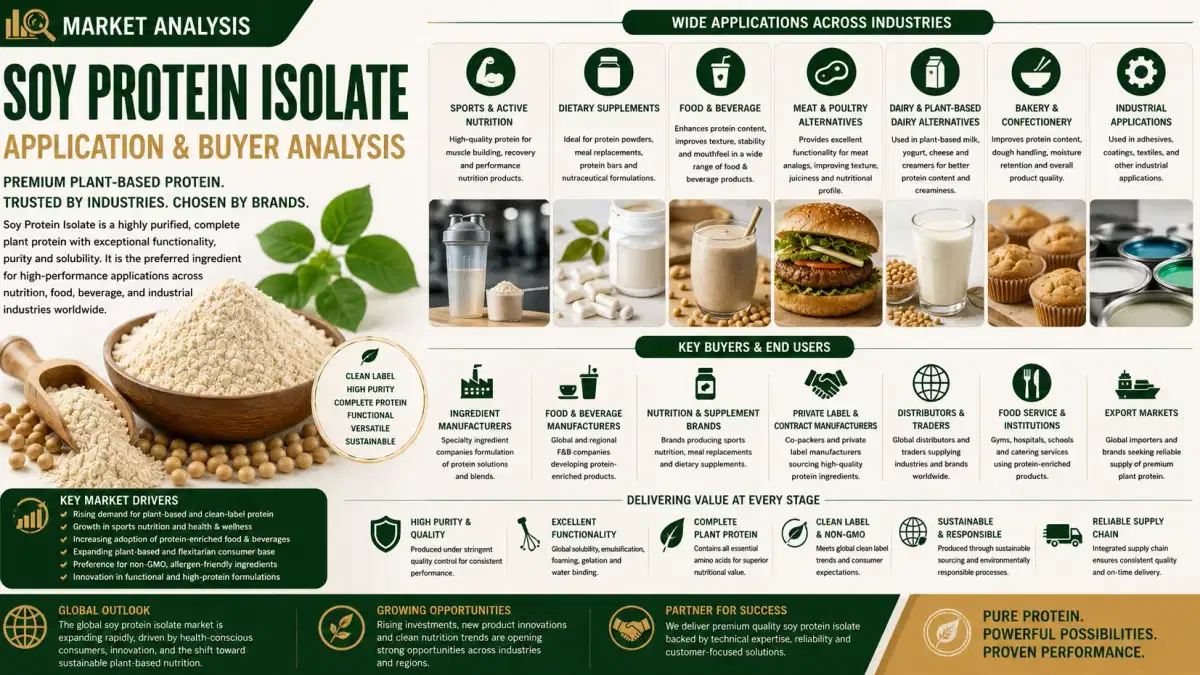
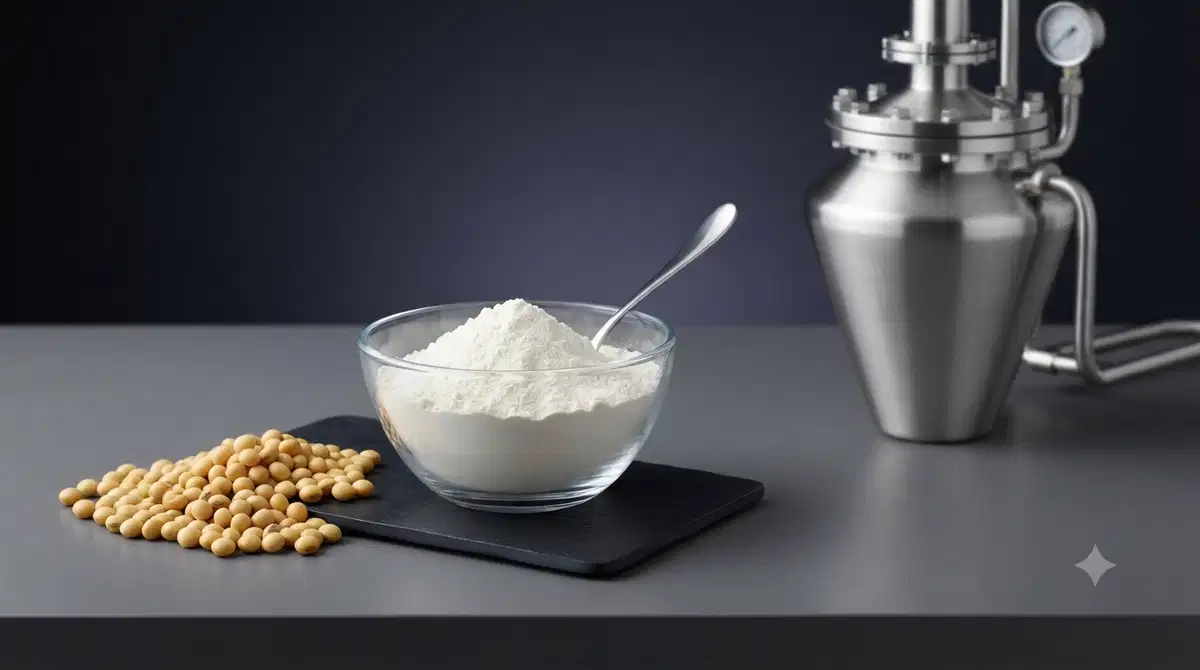
The rapid growth of plant-based foods has transformed soy protein isolate (SPI) into one of the food industry's most strategically important protein ingredients. With a minimum 90 percent protein on a dry basis, SPI provides the high protein concentration, functionality and processing consistency required for meat alternatives, dairy substitutes and nutritional products. As consumer demand for plant-based nutrition continues expanding, procurement professionals are placing greater emphasis on understanding the supply chain behind this versatile ingredient.
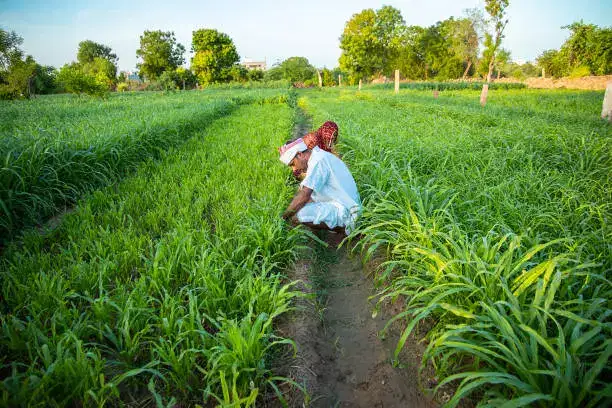
Unlike commodity food ingredients, soy protein isolate performance depends on both agricultural production and sophisticated processing technology. From soybean harvests in the United States and Brazil to spray drying and protein isolation, every stage of production influences ingredient quality, functionality and supply reliability. Procurement teams that understand this integrated supply chain are better positioned to manage costs, qualify suppliers and maintain consistent product performance.
Understanding the Soy Protein Isolate Supply Chain
Soy protein isolate originates from a highly integrated soybean processing industry where multiple valuable products are produced from a single crop.
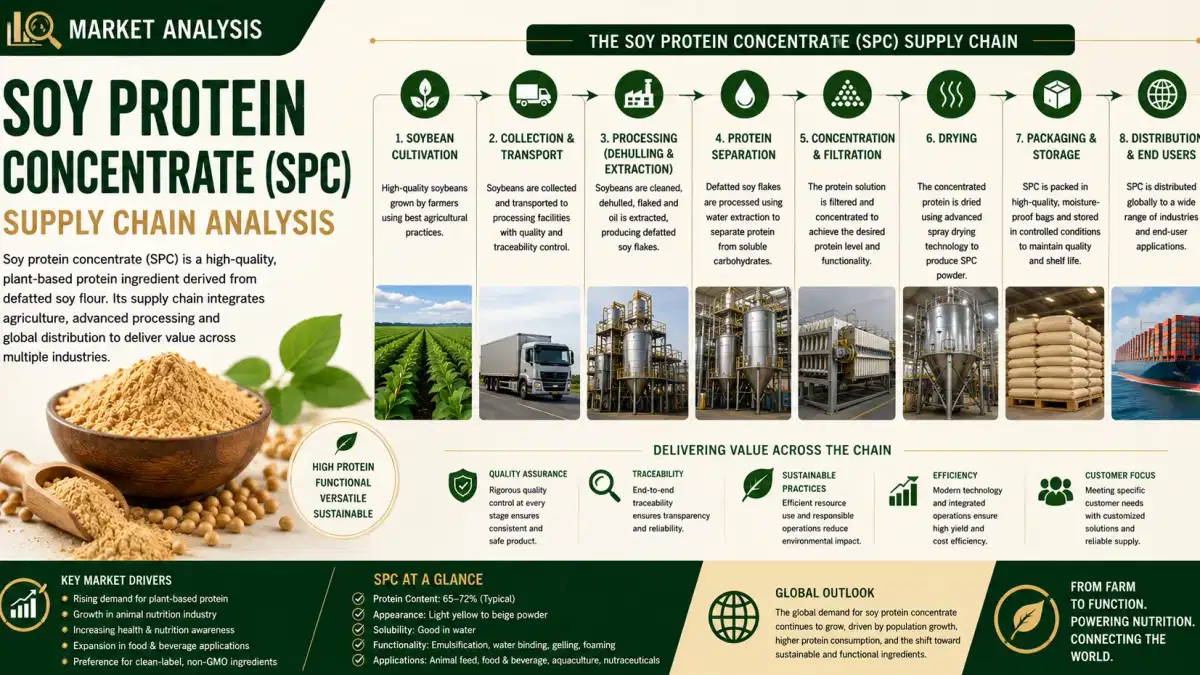
The production sequence generally follows these stages:
Harvesting and cleaning soybeans.
Extracting soybean oil, commonly using a hexane extraction process.
Producing defatted soy flour from the remaining meal.
Processing the flour into either soy protein concentrate or soy protein isolate through additional purification.
Spray drying the purified protein to produce a stable commercial powder.
Because each processing step influences the final ingredient, procurement professionals should evaluate both raw material quality and manufacturing capability.
Soy Protein Isolate Versus Soy Protein Concentrate
Although both ingredients originate from defatted soy flour, they serve different commercial purposes.
Soy protein concentrate generally contains approximately 70 percent protein, while soy protein isolate contains at least 90 percent protein on a dry basis.
The higher protein concentration gives SPI several advantages:
Improved protein content for nutritional formulations.
Better emulsification and water-binding properties.
Excellent functionality in meat analogues.
Greater formulation flexibility for dairy alternatives.
These characteristics explain why SPI remains the preferred ingredient for many premium plant-based food applications.
US and Brazilian Soybean Production Drives Global Supply
The global SPI market depends heavily on soybean production in the United States and Brazil, which together account for a substantial share of the world's soybean harvest.
Crop conditions in these producing regions influence:
Soybean availability.
Raw material pricing.
Export volumes.
Processing margins.
Long-term ingredient contracts.
For procurement professionals, monitoring annual soybean harvests and crop forecasts provides valuable insight into future SPI pricing trends before they appear in supplier quotations.
Processing Technology Shapes Ingredient Performance
Producing high-quality SPI requires more than simply increasing protein concentration.
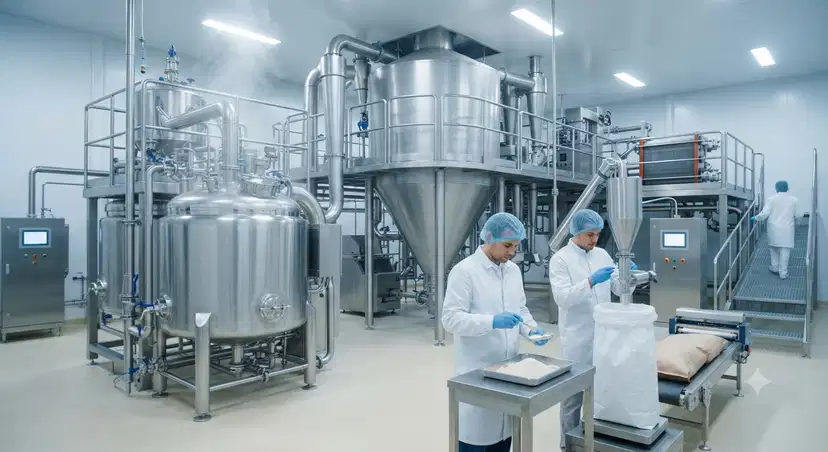
Following oil extraction, processors isolate the protein through water extraction, acid precipitation and purification before spray drying the finished product.
The spray-drying stage has a significant influence on:
Powder flowability.
Solubility.
Water absorption.
Dispersibility.
Functional behaviour during food processing.
These processing differences explain why SPI products with similar protein specifications may perform differently in commercial manufacturing
Certification and Market Requirements Influence Procurement
Beyond protein content, procurement teams must ensure SPI complies with the certification and regulatory requirements of their target markets.
Common purchasing considerations include:
Non-GMO certification, particularly for products sold in Europe and premium health food segments.
Organic certification, which commands a price premium because of stricter farming and processing requirements.
Country-specific food safety and quality certifications.
Identity preservation systems that maintain traceability from soybean cultivation through final production.
These certifications often influence supplier selection as much as product price, particularly for brands positioned around sustainability or clean-label claims.
Understanding Hexane Extraction Specifications
Most commercial soybean oil production uses hexane extraction to maximise oil recovery before the remaining meal is processed into protein ingredients.
Although the subsequent purification stages remove solvent residues to meet food safety requirements, procurement professionals should understand that acceptable residue limits differ between international markets.
When qualifying suppliers, buyers should verify:
Compliance with destination market regulations.
Residual solvent specifications.
Food safety documentation.
Quality assurance and batch testing procedures.
Third-party certification where required.
Clear specification requirements help avoid regulatory issues when exporting finished products to multiple regions.
Functional Performance Varies Between Suppliers
Two SPI products may both meet the minimum 90 percent protein specification yet behave differently during manufacturing.
Differences in extraction technology, purification methods and spray drying conditions can affect:
Solubility.
Water-holding capacity.
Oil absorption.
Emulsification.
Gel formation.
Protein texturisation performance.
For manufacturers producing plant-based burgers, sausages, dairy alternatives or nutritional beverages, these functional differences often have a greater impact than protein percentage alone.
Application trials remain the most effective way to compare suppliers before commercial approval.
Procurement Strategies for Long-Term Supply Stability
Because SPI pricing begins with soybean production, procurement planning should extend beyond immediate supplier quotations.
Important market indicators include:
Annual soybean crop forecasts in the United States and Brazil.
Weather conditions affecting major producing regions.
Global soybean oil demand, which influences crushing activity.
Availability of non-GMO and organic soybeans.
Freight costs and export logistics.
Monitoring these upstream factors allows procurement teams to anticipate market movements and negotiate contracts more effectively.
Long-term supplier relationships and diversified sourcing strategies also help reduce supply risks during periods of agricultural volatility.
What Buyers Should Do Now
Soy protein isolate remains one of the most important ingredients supporting the continued growth of plant-based foods. Its high protein concentration, excellent functionality and broad application range make it the preferred choice for many meat alternatives, dairy substitutes and nutritional products.
For procurement professionals, successful sourcing requires a comprehensive understanding of the entire supply chain. Crop-year variability, processing technology, certification requirements, solvent residue specifications and supplier-specific functional performance all contribute to ingredient quality and manufacturing consistency.
Rather than selecting SPI solely on protein content or price, procurement teams should evaluate application performance, regulatory compliance and long-term supply reliability. A specification-driven sourcing strategy helps manufacturers maintain consistent product quality while strengthening resilience in an increasingly competitive plant-based food market.
Soya Lecithin (E322) CAS: 8002-43-5